Psihološki namigi

Visualisation in Sport Shooting

Tjaša Kužnik

Nov 6, 2026

In training, the shots seem to come almost of their own accord, but in a competition, the very same body suddenly reacts differently. The body is tense and stiff, the rifle starts to wobble, and a voice in my head says: “Just as long as it’s not a nine.” I know this feeling from my own competitions, and I believe almost every shooter is familiar with it. That’s why I started investigating why this happens and how we can change it. I looked for answers within my own shooting journey and through my studies in biopsychology, and found them in visualisation.

Most young shooters believe that the number of training sessions is the most important factor for success. However, shooting is a complex sport in which it is often the mind that makes the difference in a competition. That is why psychological preparation – including visualisation – should be part of a structured training programme, not something we only remember the day before a competition. I now realise that, had I possessed this knowledge back when I was actively competing, my results would often have been a few points higher. That is precisely why I wanted to share this knowledge with young shooters at the Aiming Art Shooting Academy.

What is Visualisation?

It’s quite simple: visualisation is like simulating a shot in your mind. It’s not just an image, but an experience involving all your senses. You see the shooting range, the target and the sight. You hear your own breathing and the sound of the shot. You feel the pressure on the trigger. You may even be able to smell your equipment or the scent of the ammunition. The more senses you engage, the more realistic the experience feels to your brain.

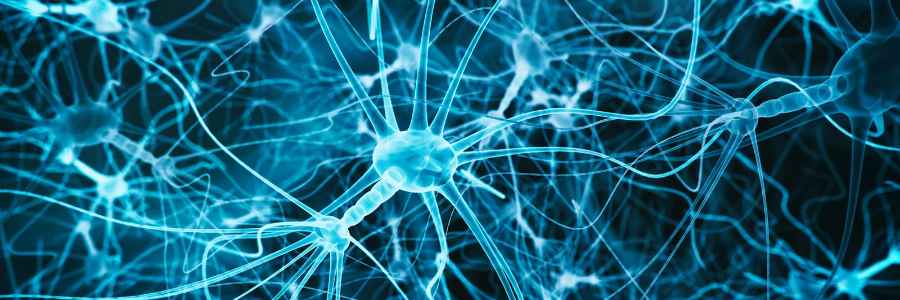
A graphic representation of neurons firing.

What Is Happening in Your Brain?

Nerve cells in the brain, known as neurons, communicate with one another via tiny connections called synapses. Every time the same connection is used, it becomes stronger. This is known as Hebb’s rule: “Neurons that fire together, wire together”. Imagine a snow-covered hill. The first sledge run is slow, but each subsequent one carves a deeper groove. This is how an automated movement is formed, such as a smooth pull of the trigger.

During visualisation, very similar areas of the brain are activated as during an actual shot. So, through visualisation, we strengthen the same synapses as on the shooting range, only without a rifle or ammunition.

Why Is A Competition Different?

During a competition, the stress response kicks in. The heart beats faster, the muscles tense up, and thoughts begin to interfere with the movement that the body already knows how to perform. Visualisation helps in two ways. The movement becomes so firmly ingrained that it holds up even under pressure. Furthermore, the competitive situation, which we have already experienced many times in our minds, is no longer new to the brain and does not pose a threat to us.

How to Visualise?

Visualisation works best when we are relaxed and focused. At such times, alpha waves dominate in the brain. When our minds are full of thoughts or we are under stress, beta waves dominate and visualisation becomes restless. In the alpha state, we are alert yet calm, and the brain finds it easier to accept the visualisation as reality. We can achieve this state simply through our breathing.

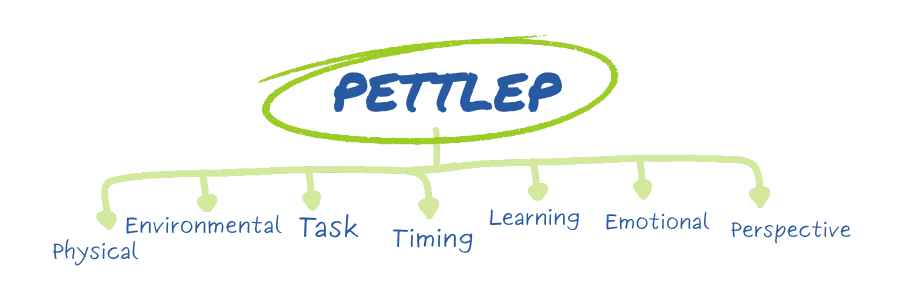
The PETTLEP model (the physical, environmental, task, timing, learning, emotional, and perspective elements of imagery) helps with this; it states that visualisation should be as close to reality as possible: in the shooting stance, with the sounds of the shooting range, with a single point of focus, at the right time and with the right competitive feeling. Do not just visualise a perfect match, but also what you do when things go wrong.

Graphic representation of the PETTLEP model

My Experience With The Shooters

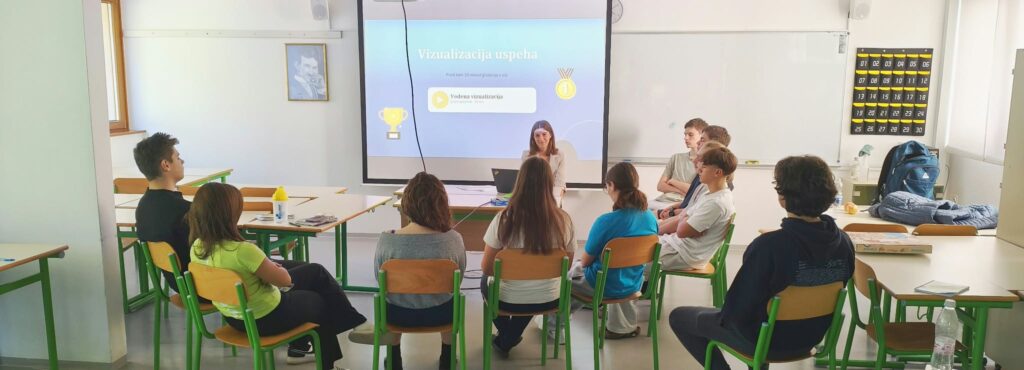
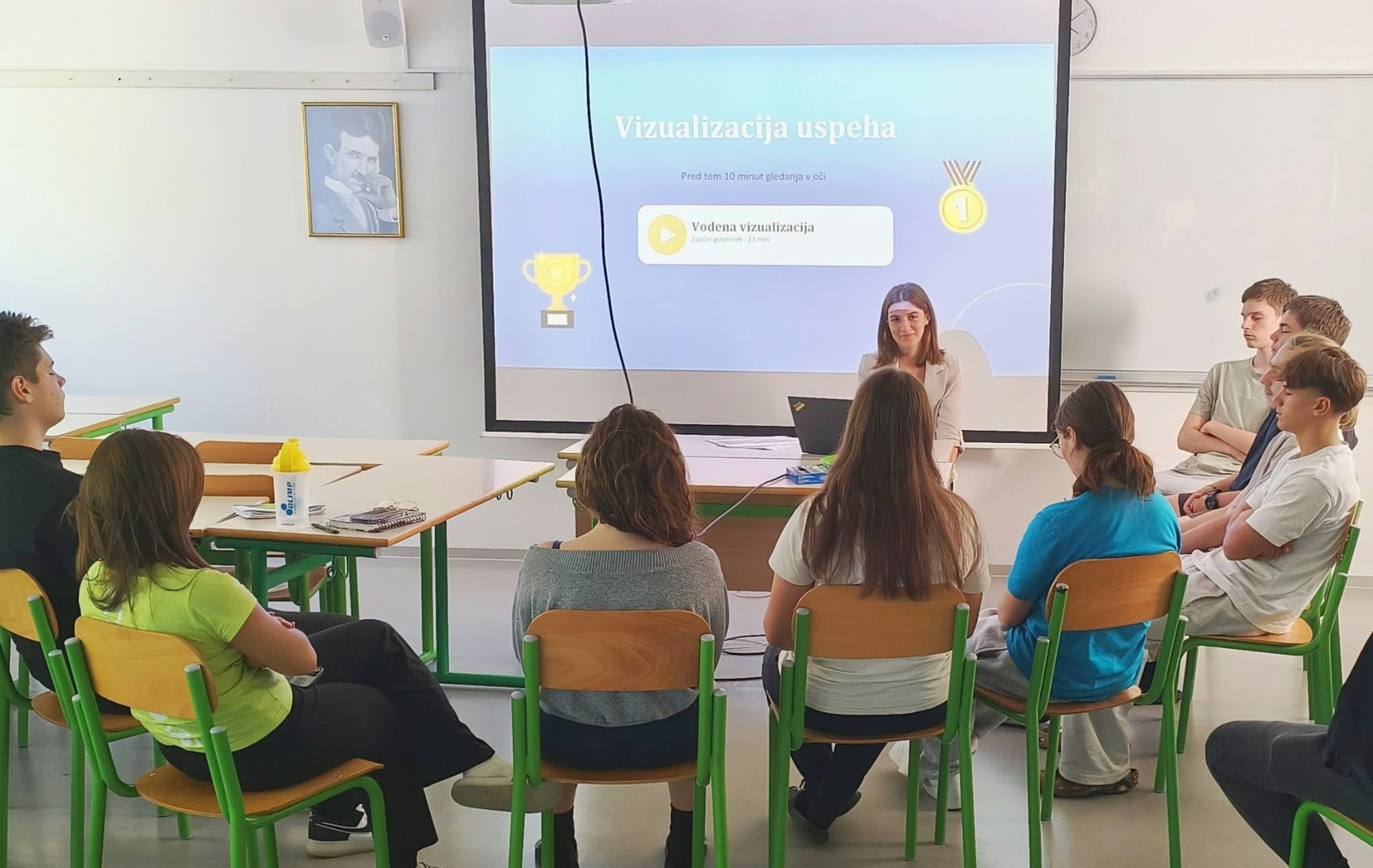
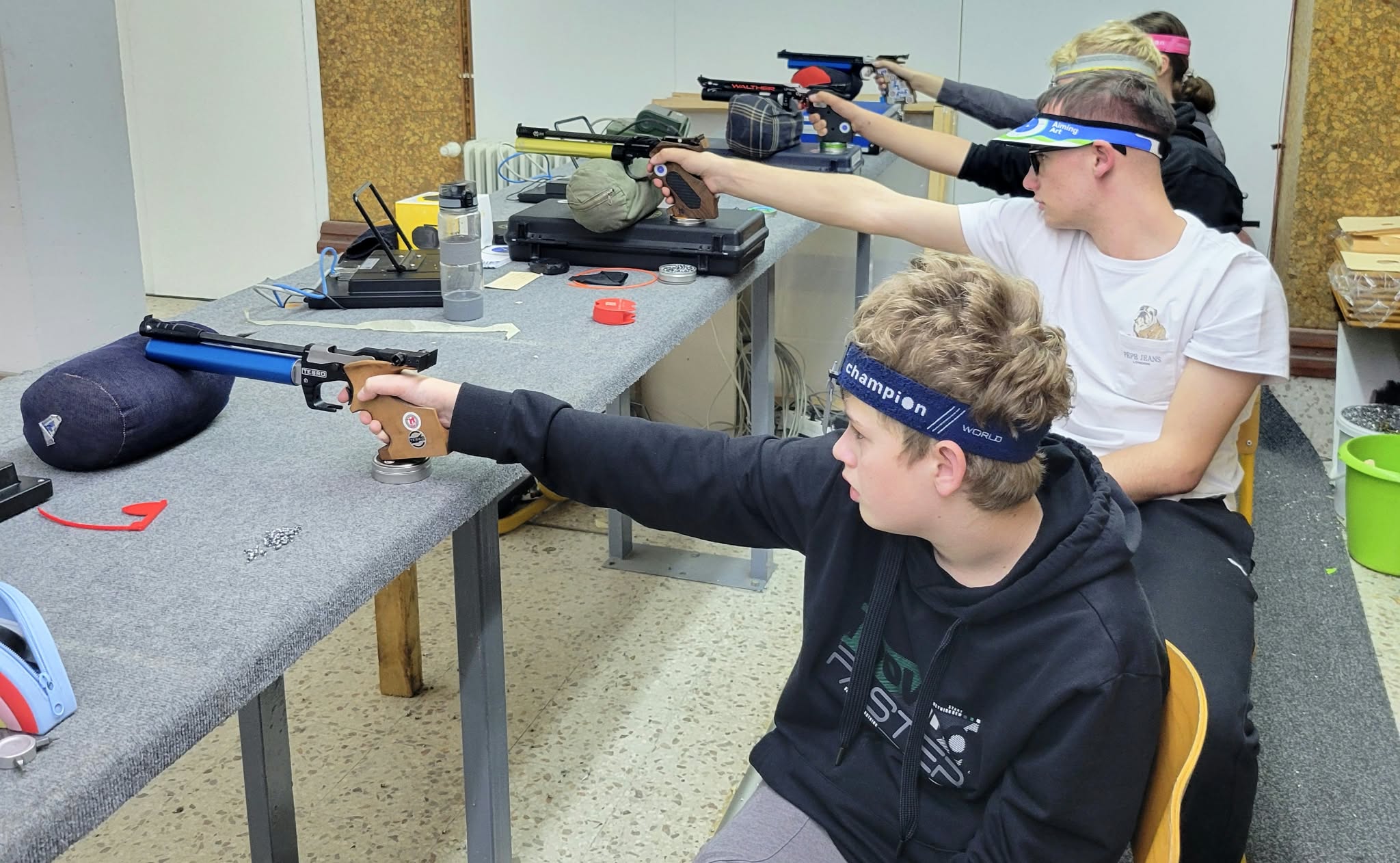
At the shooting academy, I worked with advanced rifle and pistol shooters. Many of them thought of visualisation simply as “closing my eyes and imagining something”. In groups, they drew up “reset” plans for crisis situations, such as a poor score on the 45th shot or running out of time during the final five shots.

The guided visualisation of a 60-shot competition made the strongest impression. Complete silence fell over the room, and the shooters became so immersed that some even reported an elevated heart rate after the exercise, similar to that experienced during a competition. This is the best proof that the brain takes the visualisation seriously. Most said that this helped them relax and that the visualisation went better than they had expected. We concluded the workshop with a visualisation of success, in which everyone mentally experienced the moment when they achieved their goal, along with the feelings that accompanied it.

I really enjoyed working with them, as I recognised myself in them. Six years ago, as part of the Aiming Art programme, I sat in those very same classrooms myself, listening to the lecturers and absorbing the knowledge that has guided me on my shooting journey. Now I can be the one to pass on something to younger shooters that might help them achieve better results.

And Finally

Visualisation begins with paying attention during training. Which boot do you put on first? How does the grip feel in your hand? You can only visualise the details you have previously observed. So, before every training session, take a few minutes to visualise before you pick up your actual rifle or pistol. Practise this regularly, as every repetition is like another run down a snow-covered hill.

Visualisation is just one of many areas where psychology can help a shooter achieve better results. Biopsychology offers many other topics: from sleep and nutrition to stress management and concentration during a competition. It would therefore be beneficial for clubs and coaches to incorporate these into their training plans, just as they do with technique and physical preparation.

Special thanks go to Aiming Art, which recognises the importance of this field and has enabled young shooters to become familiar with it early on in their shooting careers. I am delighted to have been part of this weekend, and I hope there will be more and more opportunities like this in Slovenian shooting.

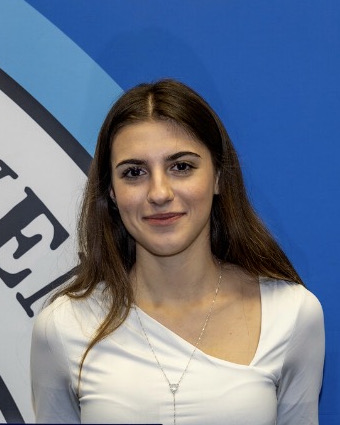
Slovenian sport shooter and biopsyhologist Tjaša Kužnik.

Tjaša Kužnik (2006) is studying biopsychology and is a former member of the Slovenian national air rifle team. She is a multiple national champion who has represented Slovenia at numerous international competitions. Among other achievements, she came second in Smederevo with a score of 628. Drawing on her knowledge of biopsychology and her experience on the shooting range, she helps shooters understand the importance of psychological preparation and how the brain’s functioning affects their performance.

Share this post

Leave a Comment

Vaš e-naslov ne bo objavljen. * označuje zahtevana polja

More Recent Pointers

What is visualisation and how can it help in sport shooting.

Three common mistakes we keep seeing – and what to do instead.

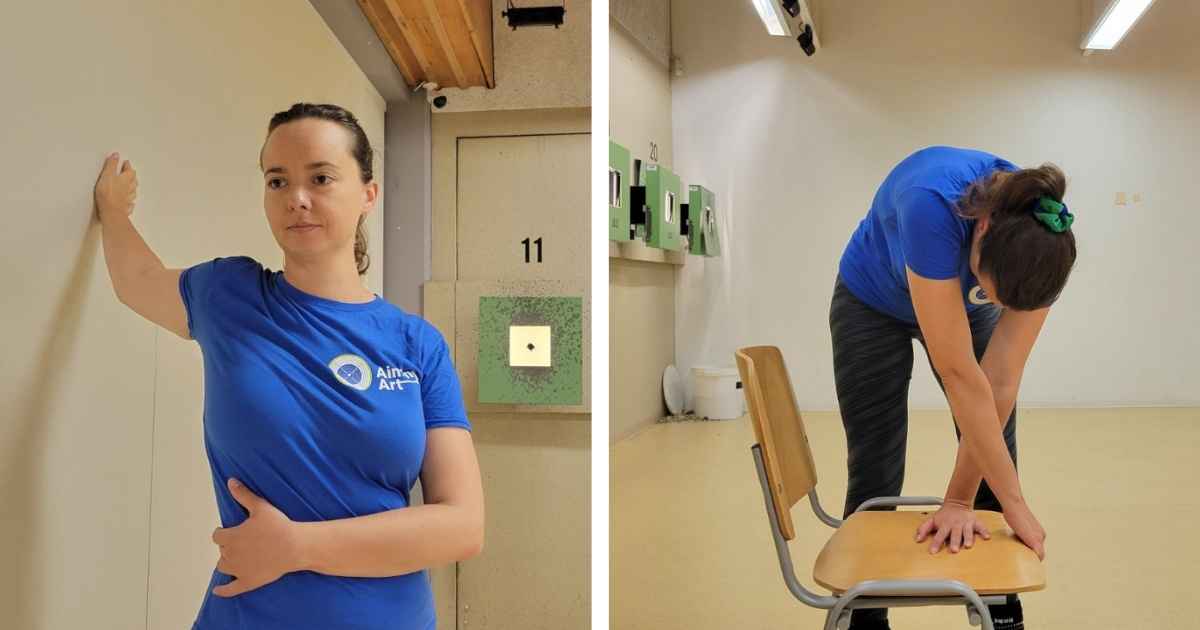
Three simple exercises for shoulder mobility.

Aiming art mobile view background on the bottom of the page
Aiming art background on the side of the web page on the bottom
Cover of the slovenian strelski zvezek notebook on an opened notebook

S pisanjem strelske analize naj vsak trening šteje. Beleži svoj napredek in opazuj svoje izboljšave.

Aiming art background on the side of the web page on the bottom

Bodi med prvimi, ki nekajkrat mesečno prejmejo Strelske namige
in posebne ponudbe!

Shopping Cart